
The Only Reason I’d Ever Buy a Paraffin Candle

The only reason I’d ever buy a paraffin candle is to give it to my worst enemy.
As I was finishing up at the NBEX Christmas Craft Show this past weekend, I caught myself getting caught up in the shopping vibes and so I indulged in buying some wax melts from my neighbor- which got me thinking about the health hazards in home fragrancing products.
We’re always trying to make the best choices for ourselves and our families- eat healthier, drink quality filtered water, get regular exercise, choose cleaner laundry detergent, no-tox skincare and household cleaners.
But in our quest for a clean, cozy and happy home, sometimes we forget the health aspect in home fragrances. In our quest for pleasant aromas, we bypass considering the synthetic chemicals and combustion byproducts in most of these products that compromise our health. It's time to turn the page and have a discussion on this.
I want to inspire you to ditch the toxic plug-ins and candles and embrace truly healthy home fragrance solutions that align with your other healthy choices.
1. Candles: Why Beeswax is the ONLY Safe Option
The health risk in burning candles comes from the raw materials used and the combustion factor. Let's look at the scientific facts behind the chemicals to understand why most popular candles are a major source of indoor air pollution.
The Toxic Truth About Paraffin Wax: Avoid This Carcinogenic Candle
The majority of cheap scented candles are made from paraffin wax, a heavy byproduct of the petroleum refining process. When burned, this material releases harmful chemicals due to incomplete combustion.
Release of Known Carcinogens: Studies confirm that the action of burning paraffin releases Volatile Organic Compounds (VOCs), including benzene and toluene, into the air. Benzene, in particular, is a known human carcinogen. This is why paraffin candles are toxic. Full stop. Literally one of the most toxic items in your home.
Ultrafine Particulate Matter (PM2.5): Paraffin produces a significant amount of soot and ultrafine particulates. These particles penetrate deep into the respiratory tract and bloodstream, leading to chronic indoor air quality issues, and exacerbating conditions like asthma. They also contribute to faster clogging of applicanes like heat pumps, air purifiers, dehumidifiers, etc.
The Verdict: Burning paraffin is burning a fossil fuel byproduct in your living space, making it an extremely unhealthy home fragrance choice.
I’m not even going to talk about Febreeze and scented plug-ins here- they’re tied in the race to toxicity. You probably already know this. I hope.
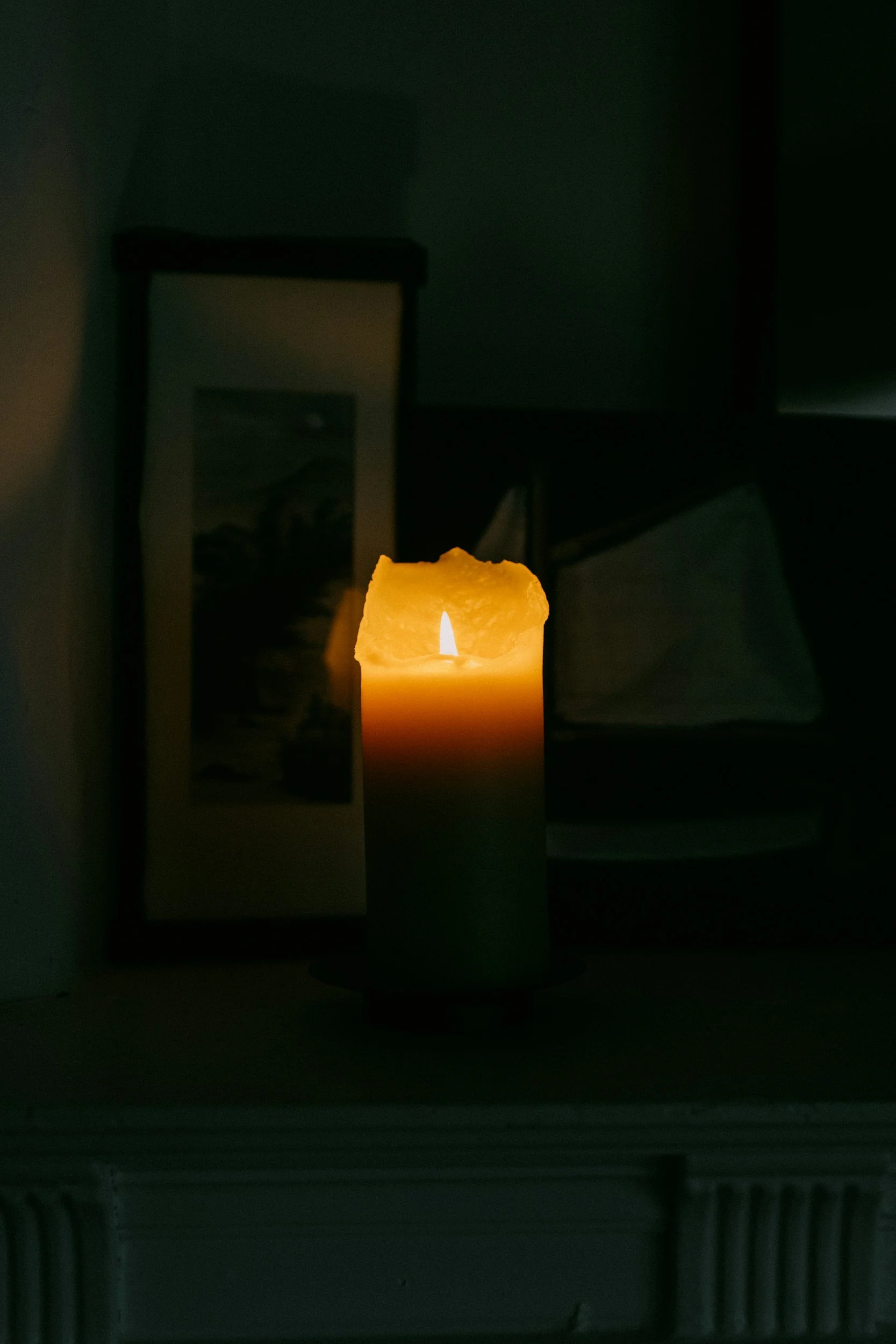
The Compromise of Soy Wax: Understanding the Risk
Soy wax is better—it's vegetable-based—but you must know the risks.
Still Combustion: Even pure soy wax releases trace amounts of VOCs and combustion byproducts. No burning material is zero-emission.
The Purity Problem: Many "soy candles" are not 100% pure. Especially if they’re mass-produced and the price is too good to be true- since most nearly all companies are primarily focused on their profit margin. They’re often blended with paraffin or mineral oil, completely undermining the supposed health benefit.
Key Takeaway: If you must use soy, ensure it is 100% pure soy wax with phthalate-free fragrance oils. I choose to support only local makers in this regard (the odd time I do buy a candle) because at least you can get a definitive answer from them when you have questions.
The Gold Standard
Since the main problem with home air scenting is adding toxins, the fact that beeswax is non-polluting is the biggest health advantage. If you choose to burn a candle- pure, unscented beeswax is the ONLY truly safe and healthy option. Their melt point is higher and they actually heat the air around them as they burn.
Near-Zero Emissions: Beeswax is a natural lipid that burns at high efficiency with virtually zero soot (as long as they use a good quality wick), smoke, or VOC emissions. It is the non-toxic standard for safe candles.
Air-Cleansing Mechanism: Beeswax is widely believed to release negative ions when burned. That’s not really scienficially proven so let’s just focus on the health benefits of burning 100% natural materials and the lack of toxic fragrances.
2. Wax Melters: Are They a Safe Home Fragrance Alternative?
Wax melters are safer than candles with the reasoning that they eliminate flame combustion (no soot). However, the risks lie in the ingredients and the heating aspect:
Secondary Pollutants & Fragrance: When heated, cheap fragrance oils release a huge volume of VOCs. These react with indoor ozone (O3) to form nanoparticles and secondary pollutants, like formaldehyde. This is a significant source of chemical air pollution.
Phthalate Alert: The cheapest melts often use synthetic fragrance oils that contain phthalates (endocrine disruptors).
Of course, I urge you to do your own research and if you really want to geek out, here’s a study from PubMed to help draw your own conclusion regarding the risks and safety.
ALWAYS ask the manufacturer if their wax melts are 100% phthalate-free. If you can’t get a clear, confident answer, you may be diffusing a harmful chemical cocktail.
3. Incense: Not So Holy
Incense and Resin: A Natural Scent with Risks
While incense and resin (like frankincense or sage) are ancient, natural ways to introduce fragrance, they pose similar risks to paraffin candles because they involve smoldering combustion. Burning incense releases significant amounts of particulate matter and gaseous pollutants, sometimes at concentrations higher than those from a cigarette. Studies show that burning incense can release fine particulate matter and VOCs like benzene, which severely compromise indoor air quality. If you choose to use incense, opt for pure, natural resins (like high-quality frankincense) over synthetic sticks, and always use it sparingly in rooms with open windows and strong ventilation. The rule remains: if it burns, be cautious.
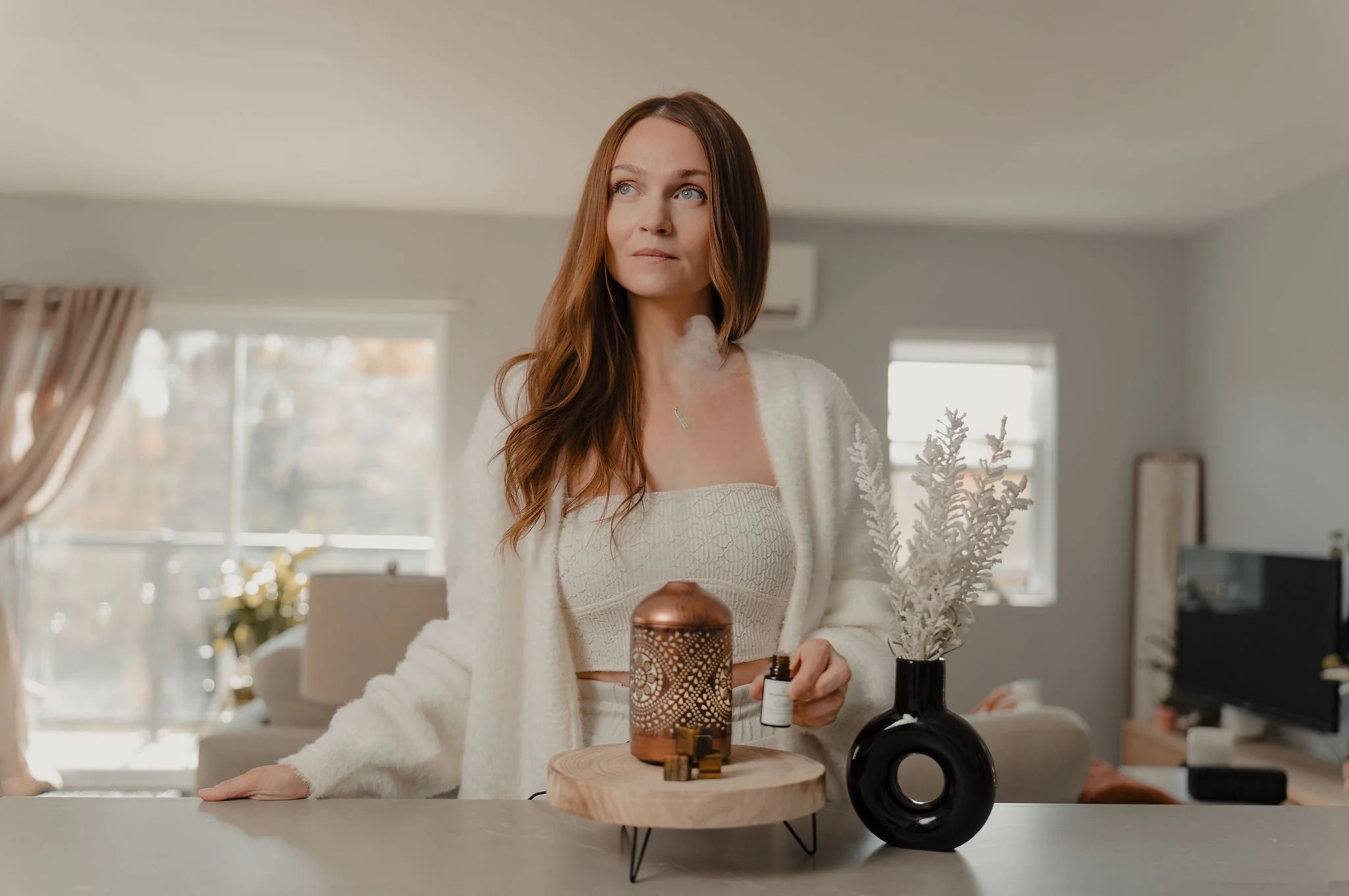
4. Harnessing Nature with Essential Oil Diffusers
Diffusing pure essential oils is the only truly natural way to scent your home: a powerful, non-combustion alternative, but requires strict rules for safety and efficacy. They add to the ambiance and sanctity of our home without depositing chemicals and risks- but only if done safely. (While I write this, I’m diffusing our delightful and delicious Spiced Orange blend on my desk!)
General Benefits of Essential Oil Diffusion
Aromatherapy, Mood Elevation and Emotional Balance: Aromatherapy is a holistic healing treatment that uses natural plant extracts to promote health and well-being. Different oils directly impact the limbic system (the brain's center for emotion and memory). Diffusion is one of the fastest ways to shift a negative or stressed emotional state or induce relaxation. At Skin Potion Naturals, we love creating blends that uplevel or inspire the vibe in your home- whether you’re looking for calming, fresh, inspiring, cozy or healing blends, we offer a small range of healthy choices. Check out our Essential Oil Diffuser Blends here.
Air Freshening Without Chemicals: Sourced entirely from plant comounds, essential oils eliminate odors naturally instead of masking them with synthetic, petroleum-based fragrances (which, as I mentioned, can contain phthalates and VOCs)
Support for Respiratory Health: Certain oils contain compounds that may help open airways, soothe irritation, and support clear breathing.
Avoid Cheap Essential Oils: They're Likely Just Fragrance Oils
Avoid the suspiciously cheap bottles you find on wally world and drugstore shelves, and large online marketplaces. They are nearly always synthetic fragrance oils masquerading as essential oils. They contain undisclosed chemicals and you are nebulizing chemical irritants directly into your breathing air.
The Golden Rule: ONLY buy 100% pure, unadulterated essential oils from reputable brands. You don’t need to break the bank and stick to YL oils- there are more affordable options. We buy ours from reputable Canadian companies who supply soap, candlemaking and skincare supplies- the MSDS and technical sheets tell us what we need to know to ensure we’re not buying crap.
Essential Oil Safety: Critical Pet Cautions
Many essential oils are toxic to pets, especially cats (some are high in phenols, ketones, or monoterpenes, which your pet's liver struggles to process, leading to toxic buildup).
I urge you to self-educate on this topic and use your own discernment.
That said, I have a cat, and I diffuse essential oils sometimes- but I don’t diffuse them all day every day. And I don’t diffuse them in a space where the cat is stuck/locked in. I diffuse in a very open, central area for 1-3 hours at a time. And I don’t believe in sticking to one extreme or the other- please be mindful and exercise some caution while keeping the health of your pet in mind.
Lavender, cedarwood, frankincense, geranium (yuck 😂) and chamomile are all super safe choices.
Diffuser Hygiene: Water and Cleaning
NEVER neglect cleaning your diffuser (or humidifier!) regularly, since you don’t want to aerosolize yourself or your family with mold!!
Use Distilled or RO Water Only: Tap water causes mineral buildup and encourages mold/bacteria growth. Always use only distilled water or reverse osmosis (RO) water.
Clean Regularly: I clean my diffuser every 3–4 uses or every 4–5 days MAXIUMUM to prevent diffusing bacteria or mold spores. I like to put a dollop of colloidal silver in the water to help prevent mold from growing so fast.
5. Our Air & Body Mists: The Spray Solution
For instant, clean fragrance, our water-based Air & Body Mists are the safest and most convenient option, offering a completely alcohol-free and phthalate-free scent solution.
Water Base Advantage: Our mists use a gentle distilled water base, which is healthier for your skin (won’t break down the skin barrier) and safer for surfaces (unlike alcohol-based sprays which can damage skin and furniture finishes). The alcohol-based room sprays aren’t entirely dangerous for inhaling in small amounts (unless using harsh phthalate-containing fragrances) but can irritate sensitive respiratory tissues in people with asthma, allergies or chemical sensitivities (so common!), causing respiratory discomfort and contributing substantially to indoor chemical burden. The alcohol, when sprayed on skin is drying and contributes to breakdown in the skin barrier, and can exacerbate issues like eczema and dermatitis.
Safer Ingredients: Our mists use only pure essential oils or carefully sourced phthalate-free fragrance oils. Enjoy the aromatherapeutic advantages of calming lavender, uplifting peppermint, grounding patchouli or an invigorating, inspiring blend like our Fundy Beach scent.
Versatile & Safe: This is a much safer, non-combustible option around children and pets than candles or intense diffusers. Home air treatment filters won’t get bogged down.
So, to conclude- I will not be throwing those super yummy wax melts in the trash- but I will use them sparingly and with intention. I don’t believe in completely tossing enjoyable, only mildy toxic products from our lives- I think it’s important to be educated about every choice and choose mindfully. It was also a fantastic refresher on why using essential oils responsibly or simply opening the window for some fresh air is really the only safe option.
